- You are here:
-
Home

- Knife Reviews

-
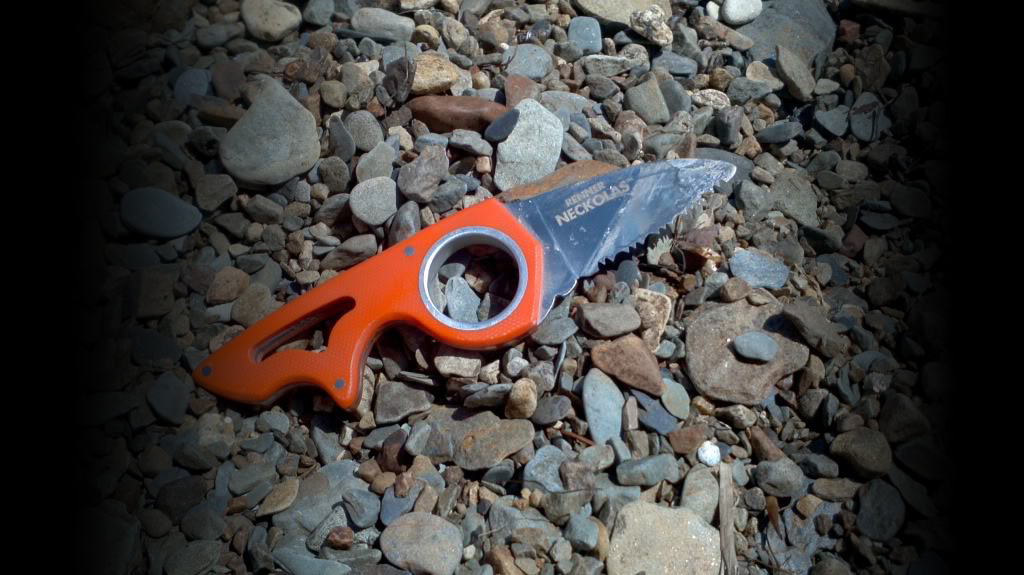
Welcome to Multitool.org
The place for reviews & discussion on Multi Tools, Swiss Army Knives, Outdoor Gear, EDC and more for over TEN years. -
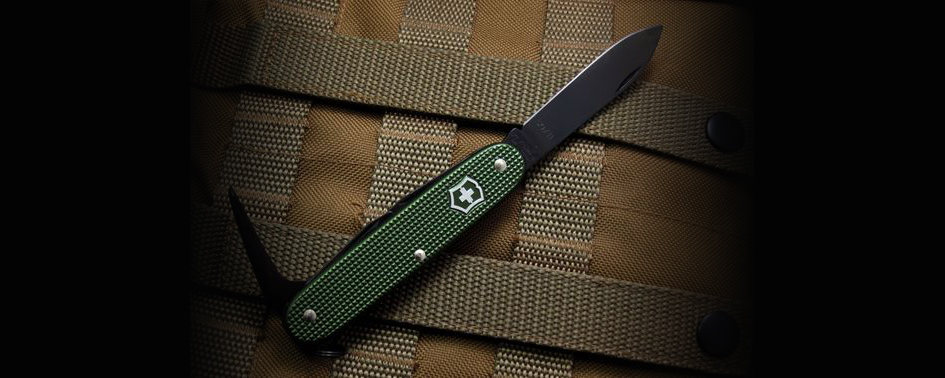
Are you into Swiss Army Knives?
Learn & discuss tools from both Swiss Army manufacturers: Victorinox & Wenger! Read More -
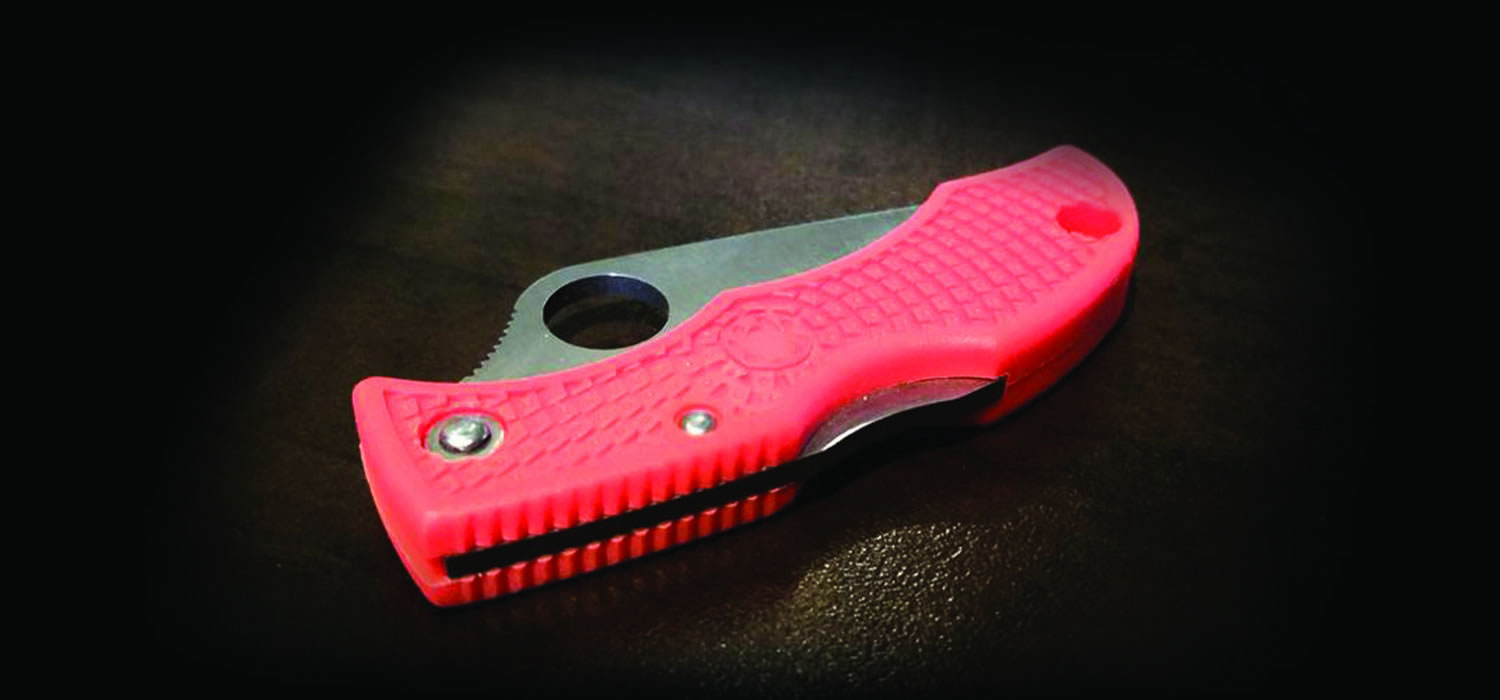
Good things can come in small packages.
What do you EDC? Read More
- 1
- 2
- 3
Olive Knives is still a newer name, but they’ve come into the space with a very clear direction. Everything they build revolves around that “Carry One” mindset. One knife that actually gets used, holds up over time, and doesn’t get rotated out every few months. It’s less about chasing trends and more about building something dependable that earns its place.
The Venari fits right into that idea, just in a compact fixed blade format.
Designing knives is a form of artistry. To me, knives are a reflection of man. They’re utilitarian, but also something to admire. And it’s a special thing when those two sides come together, when a design is just as functional as it is good looking. The Olive Knives Venari is a great example of that. It doesn’t scream for attention, but it’s something you end up appreciating the more you look at it and the more you use it.
![ResizedImage 2026 04 12 10 24 33 7244[4]](/cache/klixok2watermark/c10f2e963482ea9c000a5d54c393efb3.jpg)
Published in
Knives
Tagged under
We haven’t covered many slipjoint knives here on Multitool.org, and that’s something I’d like to change. There’s a lot of great slipjoint makers out there right now, and I’m not talking about the usual names like Case or Victorinox. I’m talking about companies pushing the “modern traditional” space with tighter tolerances, premium materials, and updated designs.
A great example of that is GiantMouse. Founded by Jesper Voxnaes and Jens Ansø, two designers with a long track record in the knife world, they’ve consistently put out designs that balance clean aesthetics with real usability. Slipjoints aren’t new territory for them either, and that experience shows.
![ResizedImage 2026 04 16 17 31 28 2654[2]](/cache/klixok2watermark/48e88ed4639d89e788e8ee0cda8e2d0a.jpg)
Published in
Knives
Tagged under
Coming off the Truffles, Aurora Knife and Tool didn’t just move on to another typical design. They stepped back and looked at what people are actually carrying and using day to day. Instead of starting with a sketch, they pulled silhouettes from a wide range of knives across major brands and overlaid them to see what patterns naturally emerged. What stood out was how consistent those shapes were. No matter the category or price point, there’s a certain profile people keep coming back to, whether they realize it or not.
![ResizedImage 2026 03 27 12 54 13 7911[1]](/cache/klixok2watermark/abdd0827177f504cc0d68ccac0709fb2.jpg)
Olive Knives is a newer name, but they came into the scene with a very clear identity. Everything about the brand centers around longevity, resilience, and actually using your knife instead of letting it sit in a drawer. Their whole “Outplay, Outlast, Outlive” mindset isn’t just marketing fluff. It shows in how they approach design, materials, and what they expect their knives to do over time.
They’re basically asking a simple question. If you could carry just one knife and actually use it every day, what would that look like?
![ResizedImage 2026 04 04 16 11 14 3746[9]](/cache/klixok2watermark/8f5f632b3f4bb52c19ad233957d13994.jpg)
I absolutely love the Tipper because it’s not only a great-looking knife, but a heck of a performer too. After spending time with the premium Kansept version, I really wanted to check out this more budget-friendly offering from Tenable and see where the differences show up. Would it still deliver the same experience, or would it feel like something was missing? Let’s take a deep dive into the Tenable Tipper.
![ResizedImage 2026 04 03 13 37 30 3481[1]](/cache/klixok2watermark/5672e2750f89312f9507efe9f2cb2baf.jpg)
Interested in this or a different tool and still have more questions?
Why not join us over on the Multitool.org Forum where our community can help you find what you're looking for!
Join the discussion now!
Why not join us over on the Multitool.org Forum where our community can help you find what you're looking for!
Join the discussion now!
Active Edged Tool Related Discussions
Feed not found.
What kind of people would write collect and review multitools? Quite simple really- we are designers and do-ers, outdoors types and indoor types, mechanics, doctors, problem solvers and problem makers. As such, we have, as a world spanning community, put every type, size and version of multitool, multifunction knife, pocket knife and all related products to every test we could manage in as many places and environments as there are.